Self-Forgiveness: The Deepest Way to Love Yourself
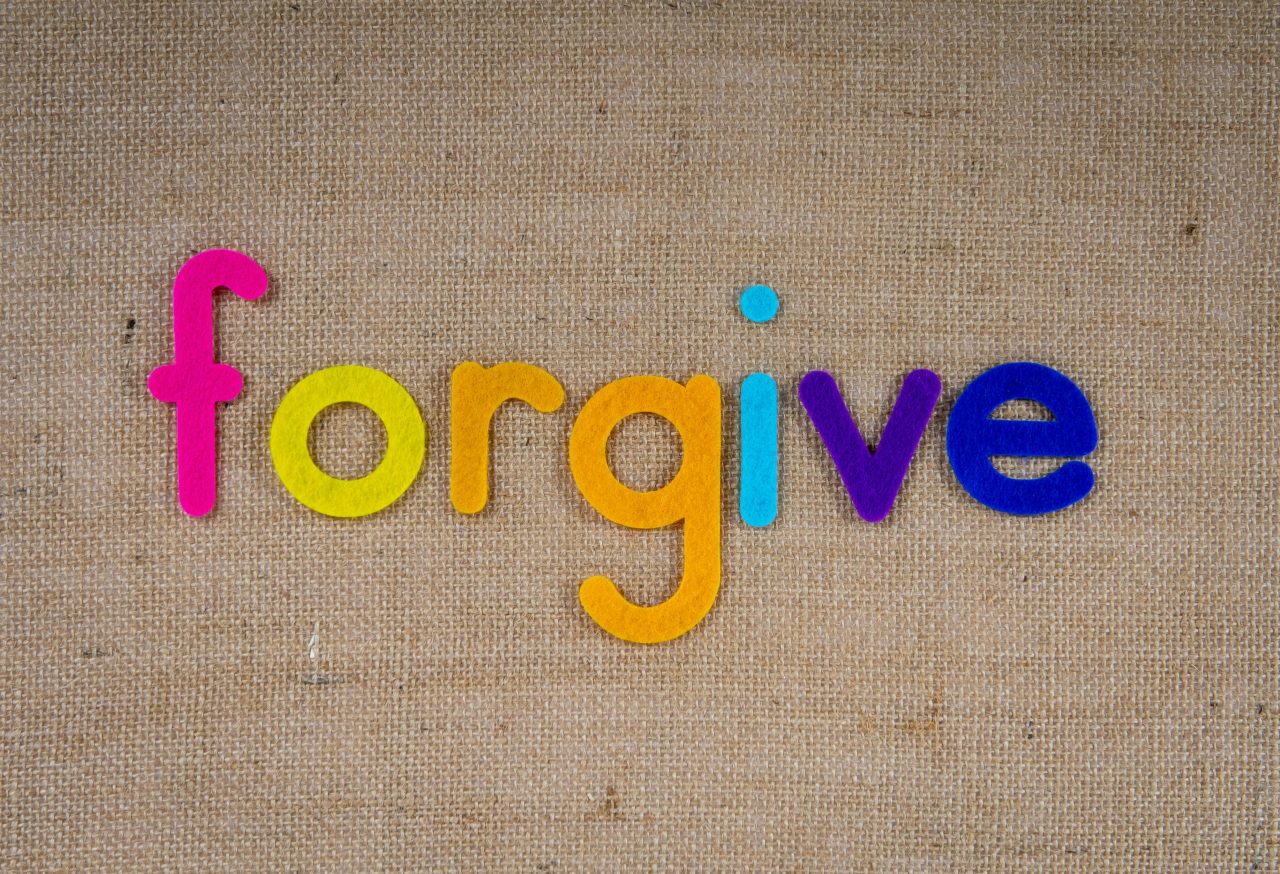
February often brings conversations about love.
We celebrate relationships, connection, and affection. We see reminders everywhere about loving others well.
But there’s a quieter question that doesn’t get asked enough:
How well do you love yourself when you make a mistake?
I am not talking about loving yourself through self-care days, positive affirmations, or celebrating your strengths.
Sometimes, the most powerful form of self-love is this:
forgiving yourself for being human.
I see this often in my coaching work, women carrying guilt, regret, or shame for decisions they made months or even years ago.
One choice. One moment. One situation they wish had gone differently.
And without realizing it, they withhold compassion from themselves.
They punish themselves internally long after the moment has passed.
As this month of “love” comes to an end, I want to invite you into a deeper kind of love:
self-forgiveness.
Because self-forgiveness is emotional maturity.
It is healing.
It is freedom.
The Weight We Carry When We Don’t Forgive Ourselves
Many people believe holding onto guilt keeps them accountable.
In reality, it often keeps them stuck.
When you struggle to forgive yourself, you may notice:
-
A harsh inner critic that never seems satisfied.
-
Fear of making new decisions because you don’t trust yourself.
-
Difficulty receiving love from others.
-
A quiet belief that you don’t fully deserve happiness or peace.
This sometimes shows up in subtle way; a hesitation, a doubt, a lingering feeling that you “should have known better.”
But over time, it shapes how you see yourself and how you move through life.
Self-Forgiveness Is an Act of Love
Let’s clarify something important:
Self-forgiveness does not mean excusing behavior or pretending something didn’t happen.
It means:
-
Acknowledging that you are human.
-
Accepting that growth often comes through imperfect decisions.
-
Learning what you needed to learn.
-
Releasing the punishment phase.
Love does not grow where shame lives.
And if you would extend compassion to a friend in the same situation, you deserve that compassion too.
Why Self-Forgiveness Can Feel So Hard
There are a few reasons we struggle with it:
-
We believe we should have known better.
-
We fear repeating the mistake.
-
We attach the action to our identity.
-
We equate self-compassion with letting ourselves off the hook.
But growth doesn’t happen through self-punishment.
Growth happens through awareness and intentional change.
A Gentle Framework to Begin Forgiving Yourself
If you’re ready to practice self-forgiveness, start here:
1. Name the Moment Without Judgment
What are you holding onto? Write it down honestly.
2. Consider Who You Were Then
What did you know at the time?
What were you feeling?
What pressures or circumstances existed?
You made the best decision you could with the awareness you had.
3. Separate Your Worth from Your Behavior
You are not your worst decision.
You are a whole person who is learning and evolving.
4. Offer Yourself Compassion
Ask yourself:
What would I say to someone I love in this situation?
Then say that to yourself.
5. Choose Forward Movement
Self-forgiveness isn’t about the past.
It’s about how you show up now.
Ask yourself:
What would change in my life if I truly forgave myself?
How Self-Forgiveness Changes Everything
When you release self-judgment:
-
You trust yourself more.
-
Your confidence grows naturally.
-
You stop shrinking in relationships.
-
You make decisions with clarity instead of fear.
-
You feel lighter emotionally.
I’ve seen women transform dramatically when they finally allow themselves compassion.
Often, nothing external changes immediately, but internally, everything shifts.
This month and in the months to come, while love is being celebrated around you, consider offering yourself something deeper than flowers or affirmations. Who says love has to only be celebrated in the month of February? Loving yourself and others should be an everyday practice.
Continuously offer yourself grace.
Reflect on where you are still punishing yourself for being human.
And gently consider whether it might be time to release that weight.
You Don’t Have to Do This Alone
Self-forgiveness can be complex, especially when emotions are layered with regret, disappointment, or shame.
Having a supportive space to process those experiences can make a profound difference. Coaching provides that space, one where growth, clarity, and self-compassion can exist together.
Love is not only something you give to others.
It is something you allow yourself to receive, even if you are the giver and receiver in this scenario.
And sometimes, the most courageous act of love is simply this:
I forgive myself.
I am still worthy.
I am still becoming.