The Art of Protecting Your Peace Without Guilt
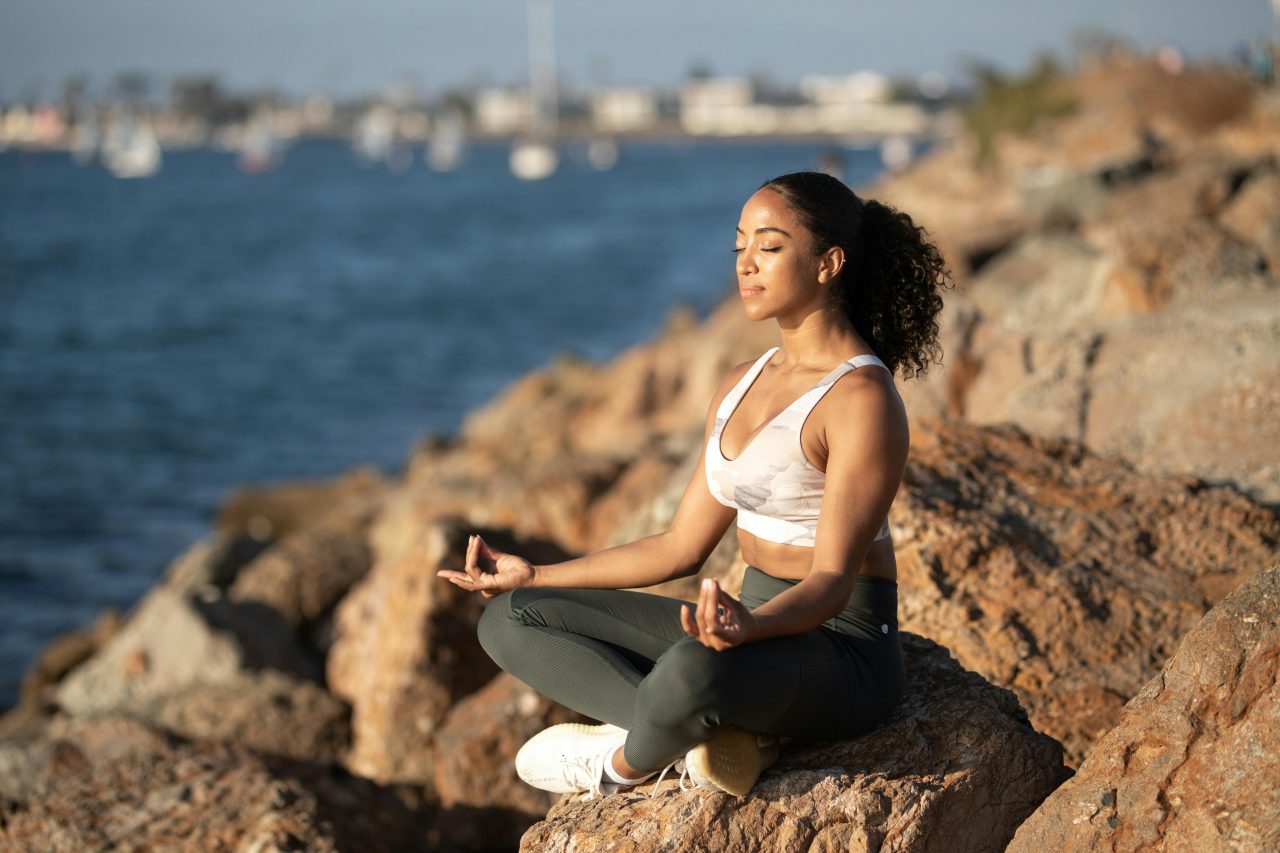
In a world that constantly demands more than we can give, protecting your peace is not a luxury, it’s a necessity for self-preservation. It’s an art form that requires courage, intentional practice, and an unwavering commitment to honor your needs without apology.
As humans, we all need peace. But setting boundaries isn’t about shutting people out; it’s about creating the emotional, mental, and spiritual space you need to thrive. It’s about striking a healthy balance and showing up authentically for others while still honoring your own needs. Most importantly, it’s about releasing the guilt that so often accompanies self-protection.
I know this struggle personally. For a long time, I wrestled with guilt whenever I pulled back to protect my peace. People sometimes mistake kindness for weakness, and they take your open heart for granted until you’re worn down, running on empty, and maybe even feeling resentment or bitterness. That’s when I realized: protecting my peace didn’t mean I was unkind, instead it meant I was human.
We all have limits. Giving from a depleted place helps no one. Protecting your peace is not exclusion; it’s preservation. And learning to strike that balance is the key to staying both grounded and generous.
Why Setting Boundaries Feels So Hard
1. We were raised to put others first.
From an early age, many of us were taught to prioritize kindness, compliance, and likability over honesty and self-care. Speaking up for yourself can feel like breaking an unspoken rule.
2. Guilt is often a conditioned response.
When you’ve always been the “go-to” person, saying no can cause discomfort in others, and that discomfort can make you feel as if you’re doing something wrong.
3. Boundaries don’t equal rejection.
Declining a request doesn’t mean you don’t care. It means you care about yourself too.
4. Fear of being seen as selfish holds us back.
The double standard is real: we celebrate nurturing people, but often criticize them when they protect their own well-being.
5. Feeling responsible for others’ emotions can be overwhelming.
Empathy is a gift, but you are not responsible for everyone’s happiness, especially at the expense of your own mental health.
The Guilt Isn’t Always Yours
Sometimes, the guilt you feel isn’t coming from within, it’s projected onto you by others. You might hear:
-
“You’ve changed.”
-
“You seem distant.”
-
“I miss how available you used to be.”
What they often mean is: “I’m uncomfortable with your boundaries.” That’s not love, it’s entitlement. And it’s not your job to carry their discomfort.
How to Protect Your Peace Without Guilt
-
Recognize that boundaries are an act of love.
They safeguard your energy, mental health, and self-worth. -
Start small and be consistent.
Practice with small boundaries and honor them. It builds trust with yourself. -
Give yourself permission to pause.
“Let me think about it” is a powerful way to check in with yourself before agreeing. -
Keep your language clear and simple.
“That doesn’t work for me” is enough. No lengthy explanations needed. -
Accept that not everyone will understand.
That’s okay. Your peace is worth more than their approval. -
Pay attention to your energy.
If an interaction leaves you drained or anxious, it’s a signal you need a boundary. -
Create a boundary mantra.
Try: “I can set limits and still be a kind, caring person.” -
Surround yourself with people who respect your limits.
The right people won’t punish you for having boundaries but they’ll honor them.
Your Peace Is Your Power
Protecting your peace isn’t selfish but a radical act of self-love and empowerment. It allows you to show up fully and authentically in every part of your life.
You don’t need permission to say no. You don’t need to apologize for choosing rest, clarity, or emotional safety.
You are here to reclaim your voice. To thrive on your own terms.
So the next time someone says, “You’ve changed,” smile. Because that’s exactly the point.